Not sure which service you need? We can advise.
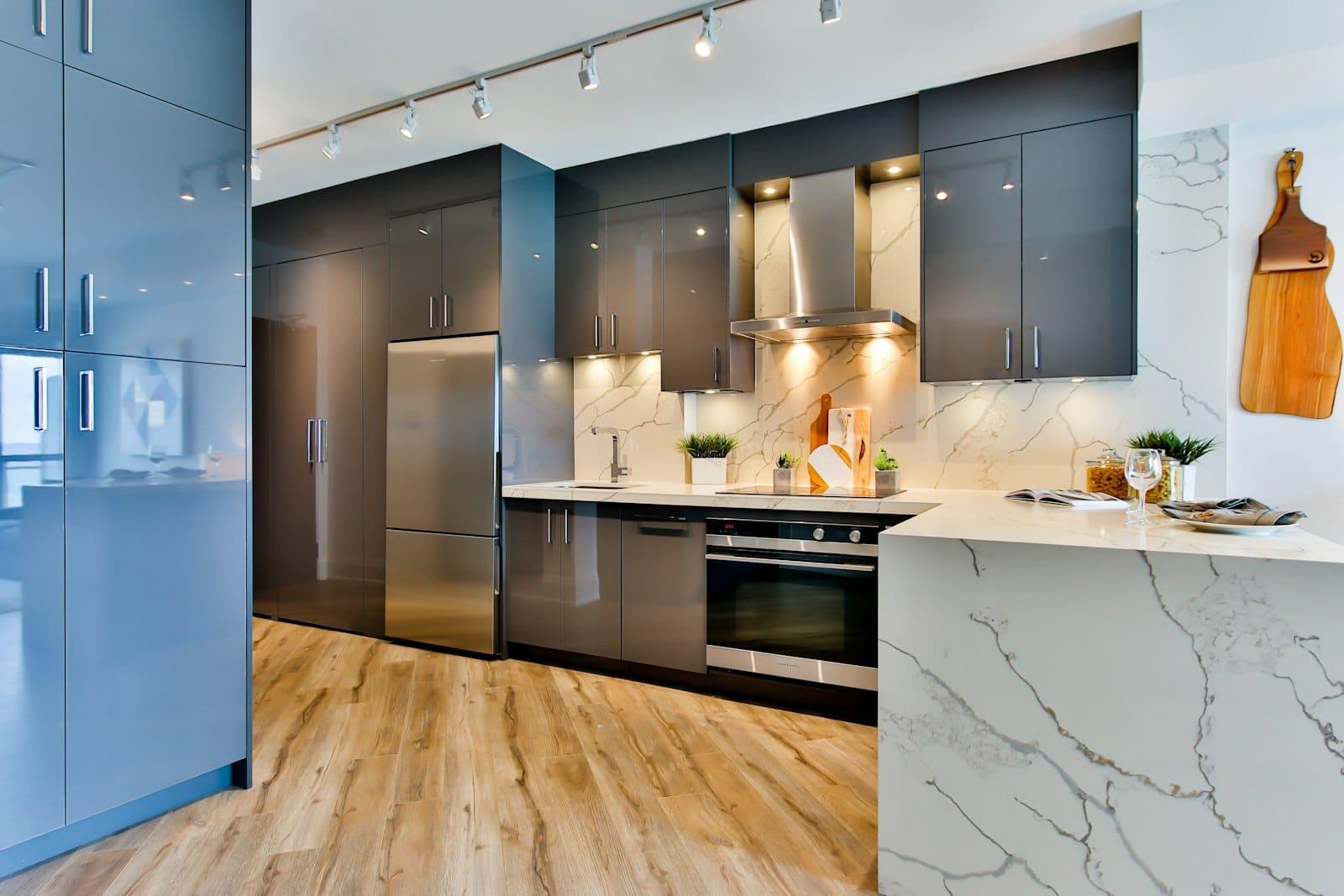
Architectural Vinyl Wrapping
Self-adhesive architectural film applied to kitchens, wardrobes, doors, furniture and walls for a new look without full replacement.
Overview
Architectural vinyl wrapping covers existing surfaces with a durable, decorative film in the colour, grain or texture you choose. It is a practical way to refresh a Dubai apartment, villa, office or shop without demolition, long downtime or the cost and waste of replacing sound fittings. WrapRevive assesses each surface first, so the wrap is only recommended where it will perform well.
Architectural vinyl is a thin, flexible, self-adhesive film made for interiors. It is cut to fit each panel, door, edge or worktop, then applied with controlled pressure and carefully managed heat so it follows profiles and corners. The film is available in plain colours, wood grains, stone and concrete effects, and matte, satin or gloss finishes, so the result can range from subtle to dramatic.
The finished quality depends mostly on what lies beneath the film. A sound, clean, well-bonded surface gives a smooth and lasting result, while swollen, flaking or crumbling substrates will show through and may lift. For that reason WrapRevive begins with a surface assessment, discusses joints, edges and handles with you, and confirms the scope and finish in a written quotation.
Wrapping is often the right choice when the structure of a kitchen, wardrobe or piece of furniture is still good but the appearance is dated, worn or no longer suits the space. It is also popular with landlords and tenants preparing a property for a new occupant. It is not a structural repair, and where a surface is badly damaged, replacement or restoration may be the more honest recommendation.
In-depth guide
Architectural vinyl film is a self-adhesive decorative material designed for interior surfaces. It is supplied in rolls, cut to size on site and applied to existing joinery, doors, furniture and walls. Unlike paint, it brings its own colour, grain and texture, so a flat panel can read as timber, stone, concrete or a deep solid colour.
The film is thin and flexible enough to follow gentle curves and wrapped edges, yet it is a manufactured surface rather than a coating, so the pattern stays consistent across large areas. In a city where homes and offices are refreshed often for new tenants, fit-outs and rebrands, it offers a faster and tidier route than rebuilding.
Many everyday interior surfaces are suitable when they are sound, clean and properly bonded. Typical examples are laminate and melamine cabinet doors, MDF and painted joinery, interior doors, wardrobe carcasses, tables and desks, wall panels, metal frames and some glass or mirrored areas.
Suitability always depends on condition. Smooth or lightly textured surfaces give the best finish, while heavily embossed, porous or crumbling surfaces need careful assessment. We would rather tell you a surface is unsuitable than apply film that will not perform.
Finishes fall into a few broad groups. Plain colours suit modern kitchens and contemporary retail. Wood effects bring warmth to wardrobes and doors. Marble and concrete effects give a stone or industrial look without the weight or cost of the real material. Surface texture ranges from matte and satin to high gloss.
Samples should always be viewed in the room where the film will be used, because Dubai's strong natural light and warm artificial lighting can change how a colour and sheen appear. We help you compare options against your flooring, worktops and walls before you commit.
Kitchens are one of the most common uses. Cabinet doors, drawer fronts, side panels, plinths and sometimes worktops can be wrapped to give a dated kitchen a completely different character while the existing carcasses, hinges and layout remain.
Kitchens are also the most demanding setting, with steam, grease, heat and frequent cleaning. We check the condition of every door, discuss edges and areas near the hob and oven, and recommend where wrapping is sensible and where another approach is better.
Built-in and freestanding wardrobes are well suited to wrapping because the surfaces are large, flat and rarely exposed to heat. A new woodgrain or a calm solid colour can transform a bedroom without removing the joinery.
We can wrap doors, frames, internal panels where requested, and matching bedroom pieces so that the room reads as a single scheme. Existing handles can be refitted or replaced during the work if you wish.
Tables, sideboards, desks, console units and TV cabinets can be wrapped when the structure is sound but the finish is scratched, faded or no longer matches the interior. Wrapping can also unify mismatched furniture bought at different times.
Because furniture is handled more than fixed joinery, we discuss edge details and expected wear with you, especially on tabletops and areas that see frequent contact.
Offices, retail units, restaurants, clinics and hotels use architectural film to update reception desks, counters, display units, meeting tables, partitions and lift interiors. A wrap can bring a space in line with a new brand palette without the lengthy closure a full refit would require.
Work can be planned around trading or office hours where building management allows, and finishes can be chosen with heavy daily use in mind. Final scheduling and access arrangements are agreed after the site visit.
Preparation decides the outcome. Surfaces are cleaned and degreased, loose or flaking material is dealt with, hardware is removed where practical, and minor imperfections are assessed, because film will reveal rather than hide dents, chips and raised edges.
Kitchens often need extra degreasing, and older paintwork may need to be checked for adhesion. If a surface needs repair before wrapping, we say so clearly and explain the options rather than applying film over a problem.
The process begins with a site visit to look at each surface, discuss your preferred finish and view samples in place. A written quotation then sets out the scope, the film selected and what preparation is expected.
On the day, surfaces are prepared, the film is measured and cut, then applied panel by panel with careful alignment of grain and pattern. Edges and corners are trimmed and sealed, fittings are refitted, the area is cleaned and we walk through the result with you before leaving.
Wrapped surfaces are generally cleaned with a soft cloth and a mild, non-abrasive cleaner. Harsh solvents, abrasive pads and aggressive chemicals can damage the surface and should be avoided. In humid weather, wipe up spills and condensation rather than leaving moisture sitting along edges.
Keep hot pans, kettles and heat-producing appliances away from wrapped surfaces and use trivets or mats. We provide care guidance at handover, tailored to the film and the surface it has been applied to.
Wrapping suits situations where the structure is sound and the aim is a new appearance. It usually involves less disruption, less waste and a shorter project than replacing doors, worktops or whole units, and it lets you keep fittings that still work well.
Replacement may be the better choice when the structure is damaged, the layout no longer works or you want different storage, appliances or ergonomics. We will give an honest view, and where replacement or a different service is more suitable we will say so.
Vinyl film is a cosmetic finish, not a structural repair. It cannot restore swollen or water-damaged chipboard, rebuild crumbling edges or strengthen weak joints. Surfaces that are damaged, swollen, peeling, flaking or poorly bonded need repair or replacement before any wrapping can be considered.
Areas exposed to sustained heat, such as doors and panels immediately beside hobs, ovens, grills and some appliances, may not be suitable, and the film can lift or distort if heat is applied repeatedly. Some substrates, including heavily textured, porous, dusty or oil-contaminated surfaces, may also be unsuitable. Each of these points is reviewed at the assessment, and the final recommendation is confirmed in the quotation.
Final scope is confirmed in your written quotation after assessment.
Service Process
We inspect each surface for damage, swelling, peeling or heat exposure and confirm whether wrapping is suitable.
You choose a film design and finish from samples, viewed in your own lighting where possible.
Hardware is removed, surfaces are cleaned and degreased, and minor defects are repaired or filled.
Film is applied panel by panel, worked around edges and corners, and trimmed for clean lines.
Hardware is refitted, every panel is inspected, and we explain how to care for the new surface.
Gallery
Representative photography for illustration.
FAQ
Most sound, smooth or lightly textured interior surfaces such as laminate, MDF, painted wood, metal and some glass can be wrapped. We confirm suitability for each surface at the assessment before quoting.
Interior architectural films are made for indoor conditions, including air-conditioned spaces. Surfaces exposed to direct sun through glass or sitting close to heat sources need extra consideration, which we discuss on site.
In most cases the film can be removed when you want a change, but the result depends on the surface underneath and how long the film has been in place. We explain what to expect for your surface during the assessment.
The cost depends on the area, number of surfaces, film choice and the preparation needed. We confirm it in a written quotation after assessing the site.
If you rent, check your tenancy agreement and speak to your landlord first. Where building management approval is needed, we can advise on the information typically required.
It depends on how many surfaces are involved and how much preparation they need. We give a realistic schedule in the quotation once we have seen the site.
Related
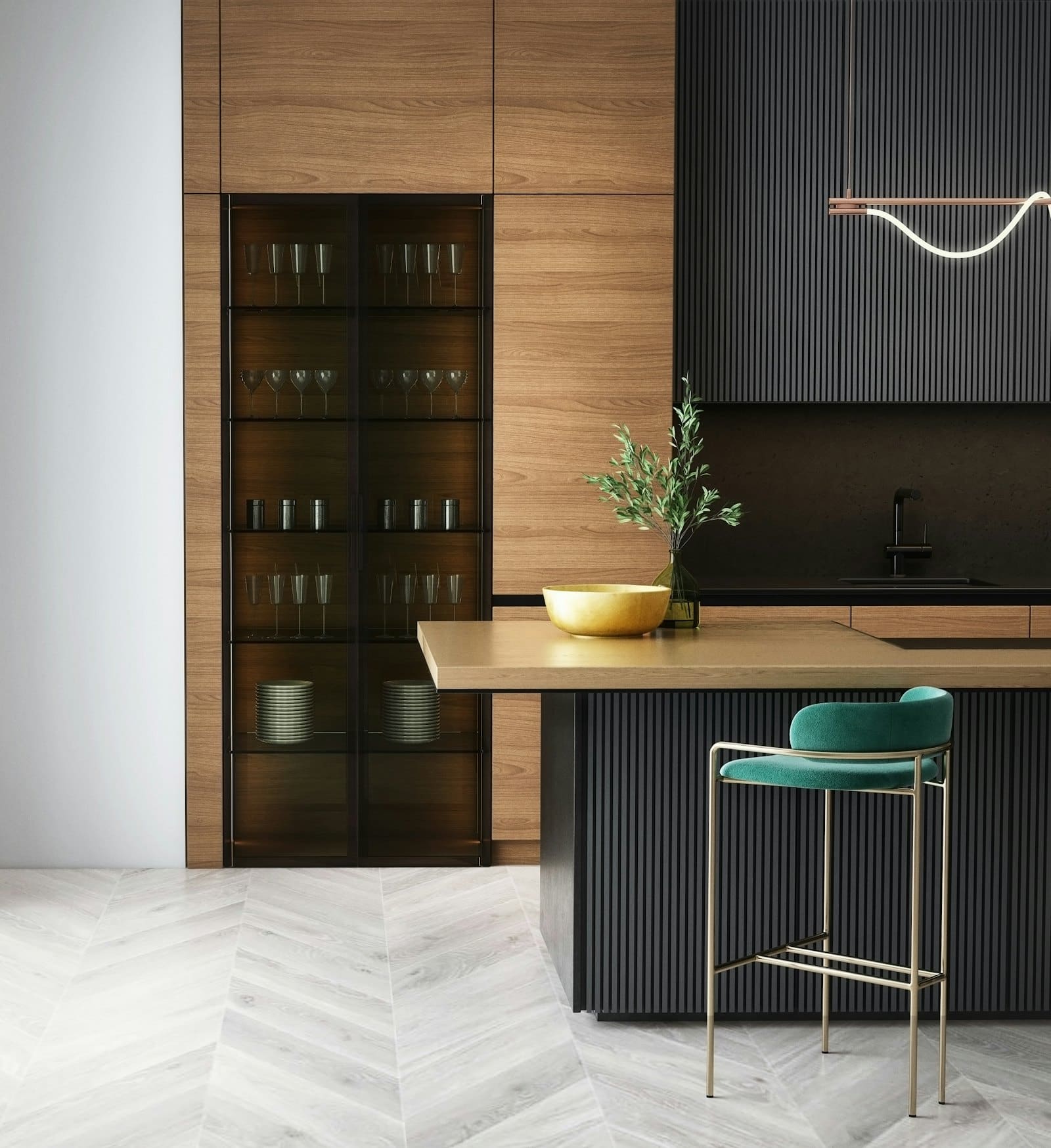
Vinyl Wrapping
Give a tired kitchen a fresh colour or finish by wrapping cabinet doors, drawers, panels and selected surfaces instead of replacing the kitchen.
View service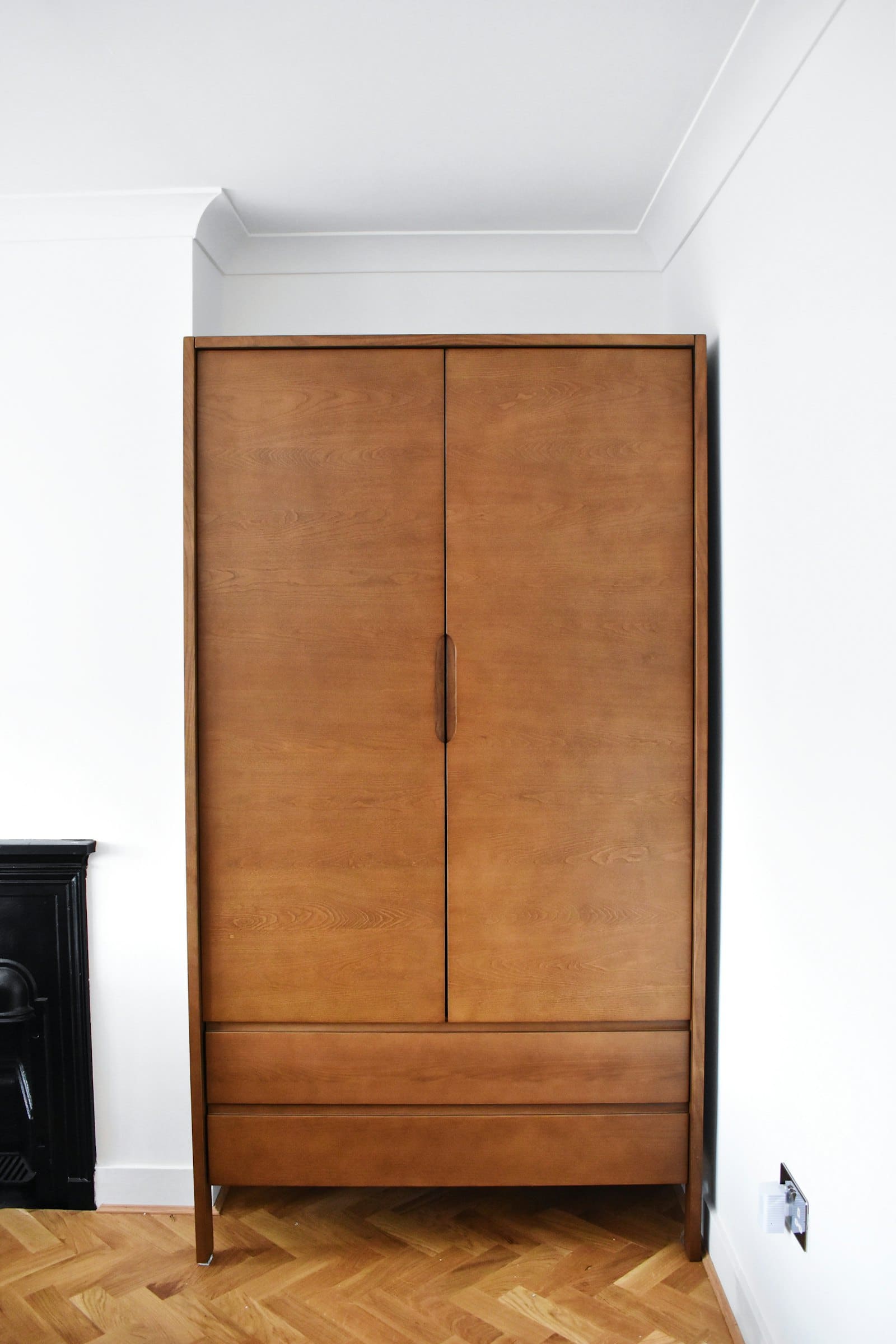
Vinyl Wrapping
Refresh built-in and freestanding wardrobes with wood, colour or textured film, keeping the storage you already have.
View service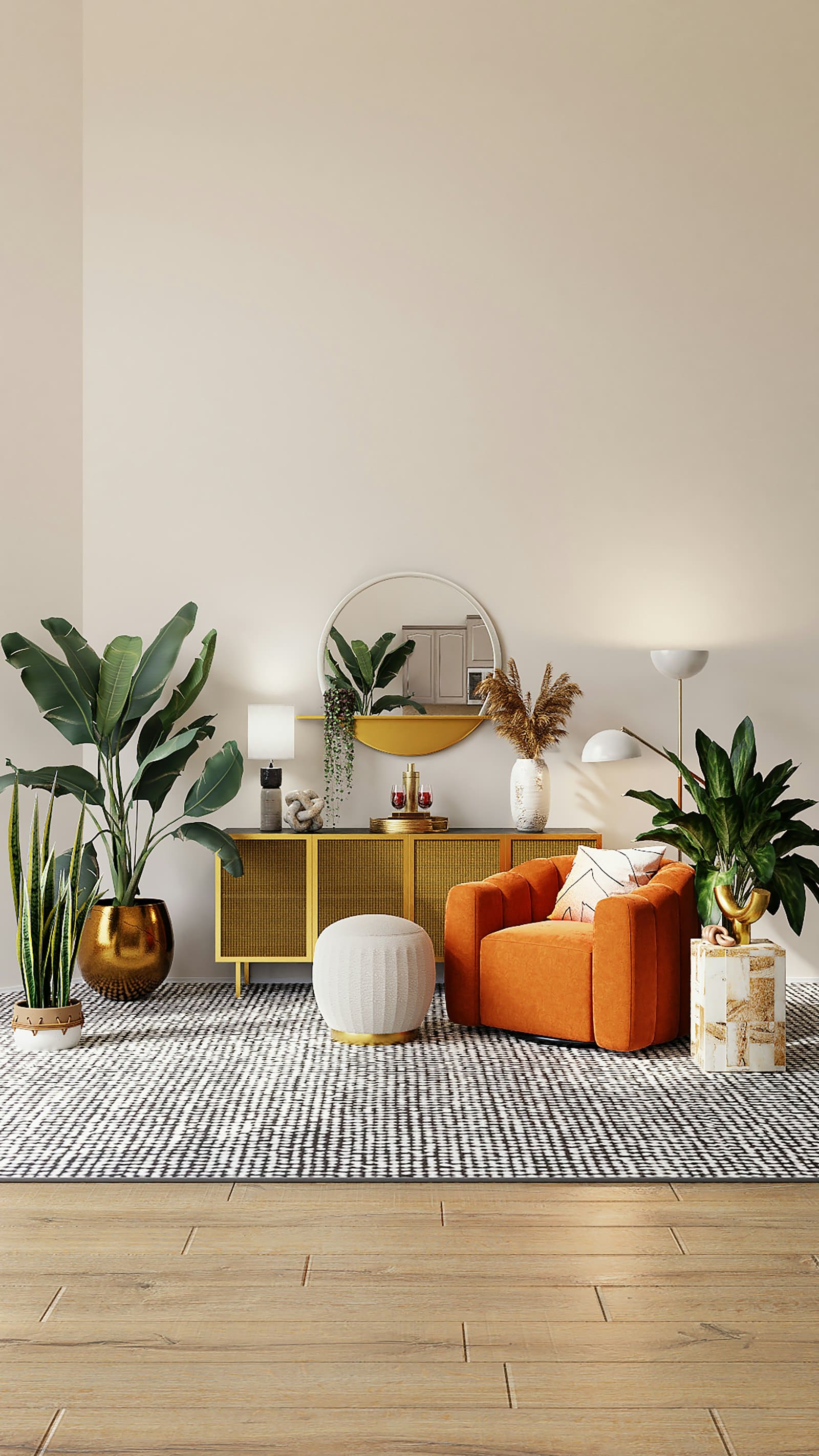
Vinyl Wrapping
Give sound furniture a new finish by wrapping tables, sideboards, cabinets and desks in wood, stone or solid colour film.
View serviceVinyl Wrapping
Professional installation of decorative architectural film supplied by you or sourced with us, applied to agreed interior surfaces.
View serviceRequest a quotation or message us on WhatsApp with photos of your space.